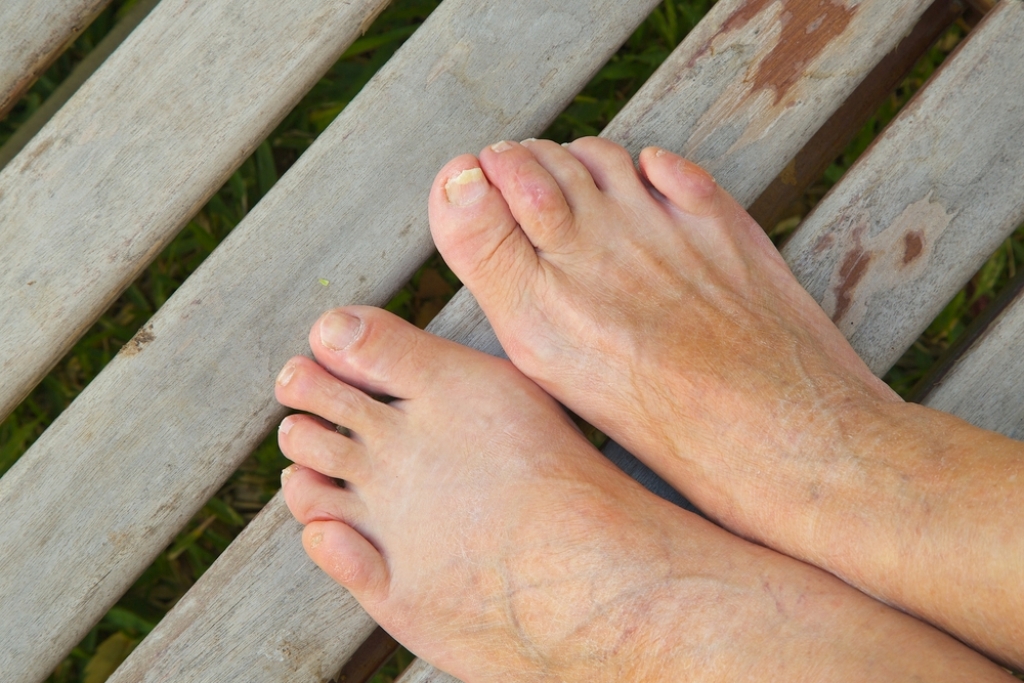
Struggling With Heel Pain? Custom Orthotics Can Help

Struggling with heel pain? Discover the relief Custom Orthotics can bring. Customized to your foot's unique structure, Custom Orthotics offer targeted support, alleviating pressure points and redistributing weight. This means reduced heel pain and a more comfortable step, every time. Whether you're walking, working, or working out, Custom Orthotics ensure your heels feel cushioned and cared for. Experience the transformative power of Custom Orthotics with us today! Call today for more information.

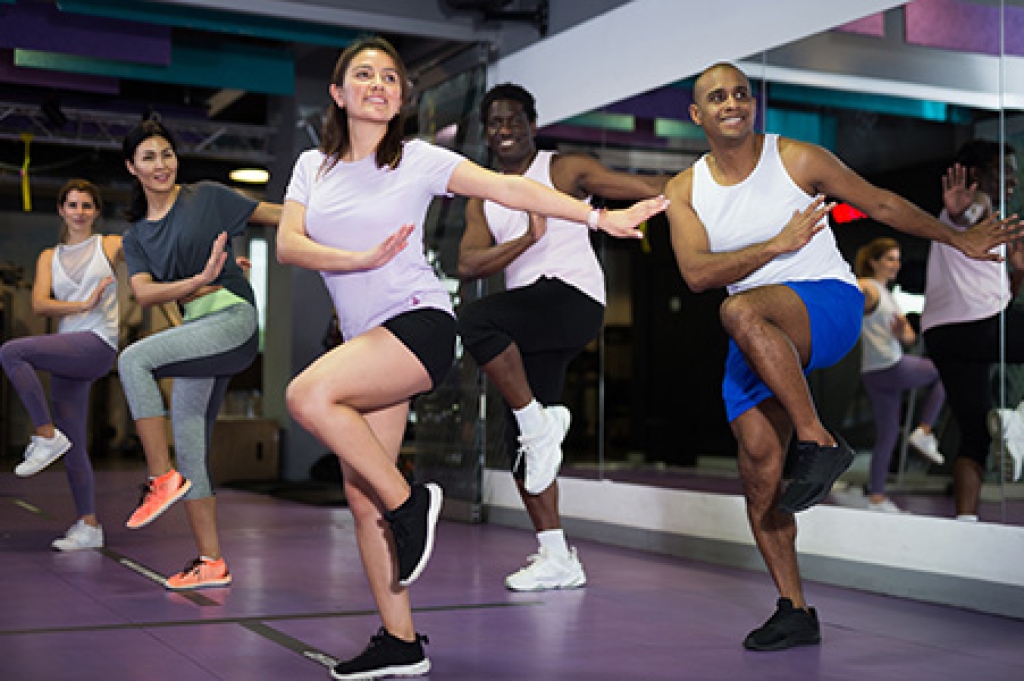
Causes of Foot Pain From Zumba

Foot pain from Zumba refers to discomfort or injury caused by repetitive dance fitness movements performed on hard surfaces or with improper support. Zumba involves quick turns, jumps, and side- to-side motion that place stress on the plantar fascia, joints, and soft tissue. Without proper preparation and footwear, these movements can lead to strain and overuse injuries. Understanding the physical demands of dance fitness is essential for preventing pain and maintaining safe participation.

Common symptoms include arch soreness, heel pain, and a burning sensation after class. Some individuals experience sharp pain during pivoting movements or lingering stiffness the next day. Risk factors include wearing the wrong shoes that lack lateral support, exercising on cement floors, and skipping proper warm-up techniques. Beginners who do not take a preparation class may also struggle with foot positioning, increasing the risk of strain. These factors can lead to conditions such as plantar fasciitis, tendon irritation, and stress related injuries.

Prevention begins with wearing supportive cross-training shoes designed for multidirectional movement. Avoiding cement or other hard surfaces can reduce impact stress on the feet. Taking a preparation class helps build proper technique and teaches safe movement patterns. Gradual progression in intensity allows the feet to adapt to increased activity. Stretching before and after class, including simple foot and ankle exercises, can improve flexibility and reduce stiffness. These strategies support both performance and injury prevention.

The key takeaway is that Zumba can be enjoyable and beneficial when proper precautions are taken. Paying attention to footwear, surface choice, and technique significantly lowers the risk of foot pain. Early recognition of symptoms allows for prompt care and recovery. If you enjoy Zumba and have developed foot pain, it is suggested that you consult a podiatrist for effective relief and treatment solutions.

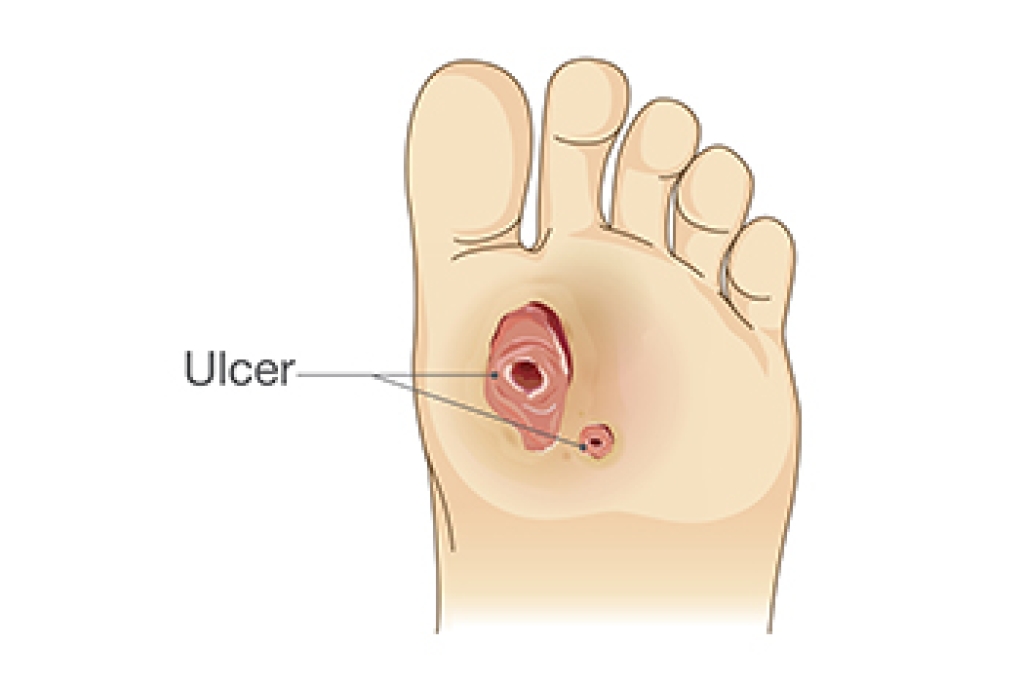
Foot Pain

Foot pain can be extremely painful and debilitating. If you have a foot pain, consult with Dr. Eddy Caldwell from Foot Care of Northeast Arkansas, P.A.. Our doctor will assess your condition and provide you with quality foot and ankle treatment.

Causes

Foot pain is a very broad condition that could be caused by one or more ailments. The most common include:

  • Bunions
  • Hammertoes
  • Plantar Fasciitis
  • Bone Spurs
  • Corns
  • Tarsal Tunnel Syndrome
  • Ingrown Toenails
  • Arthritis (such as Gout, Rheumatoid, and Osteoarthritis)
  • Flat Feet
  • Injury (from stress fractures, broken toe, foot, ankle, Achilles tendon ruptures, and sprains)
  • And more

Diagnosis

To figure out the cause of foot pain, podiatrists utilize several different methods. This can range from simple visual inspections and sensation tests to X-rays and MRI scans. Prior medical history, family medical history, and any recent physical traumatic events will all be taken into consideration for a proper diagnosis.

Treatment

Treatment depends upon the cause of the foot pain. Whether it is resting, staying off the foot, or having surgery; podiatrists have a number of treatment options available for foot pain.

If you have any questions, please feel free to contact our office located in Jonesboro, AR . We offer the newest diagnostic and treatment technologies for all your foot care needs.
Read more about Foot Pain

Orthotics for Long-Distance Runners

Foot orthotics can be highly effective for long-distance runners who place repeated stress on their feet and lower body. Over many miles, even small alignment issues can lead to discomfort, fatigue, and injury. Orthotics help improve foot positioning, provide consistent support, and enhance shock absorption with each stride. Many runners notice better stability, smoother movement, and reduced strain on the ankles, knees, and hips. This improvement can lead to greater endurance and a more comfortable running experience. Orthotics may also help lower the risk of common overuse injuries that develop during long distance training. A podiatrist can evaluate running form, foot structure, and pressure patterns to create a personalized solution. With proper guidance, runners can perform more efficiently and recover better. If you enjoy running and have foot or ankle pain, it is suggested that you consult a podiatrist to discuss the benefits of custom-made orthotics with you.

Custom orthotics can make a remarkable difference in daily comfort and mobility by supporting the feet in their most natural and balanced position. Because the feet form the foundation for the entire body, any imbalance can affect not only how a person walks, but also how the knees, hips, and spine align. Over time, this can lead to fatigue, pain, or reduced movement. Custom orthotics are designed to restore stability and promote proper alignment, which can transform the way a person feels and functions throughout the day.

People who wear custom orthotics often experience improved posture, less joint strain, and greater endurance during work, exercise, and leisure activities. The support they provide helps relieve chronic discomfort from conditions such as plantar fasciitis, flat feet, and heel pain, while also reducing the risk of future injuries. For those who stand for long hours or engage in sports, orthotics can make movement smoother and more efficient, allowing the body to perform at its best without unnecessary stress.

Each pair of custom orthotics is created after a detailed evaluation of foot structure, gait, and pressure distribution. By addressing each person’s unique needs, they offer comfort and confidence with every step.

If you are experiencing ongoing foot discomfort or fatigue, it is suggested that you contact our office for more information or to make an appointment.

If you have any questions, please feel free to contact our office located in Jonesboro, AR

Read more about Sole Marketing Life Impact

Plantar Fasciitis Exercises and Heel Pain Relief

Plantar fasciitis affects the thick band of tissue along the bottom of the foot. This tissue, called the plantar fascia, supports the arch and helps absorb pressure while moving. When it becomes irritated, heel pain can develop and make daily activities more difficult. Many people notice pain with their first steps in the morning or after sitting for a long period of time. Exercise is an important part of treatment because it helps improve flexibility and strength in the foot and lower leg. Research has shown that both stretching and strengthening exercises can reduce pain and improve walking ability in people with plantar fasciitis. A podiatrist can determine which exercises are most appropriate based on the severity of symptoms and the structure of the foot.

Stretching exercises focus on reducing tension in the plantar fascia and nearby muscles. Tight calf muscles can place extra strain on the bottom of the foot. Stretching the calf, Achilles tendon, and plantar fascia helps improve movement and reduce stress on these tissues. Strengthening exercises are also valuable because the muscles of the feet and ankles help support the arch. Better muscle support can reduce strain on the plantar fascia while walking. Some patients benefit from heel-raising exercises, while others respond well to toe-strengthening movements. A podiatrist evaluates foot function to develop an exercise plan that targets specific weaknesses and areas of tightness.

Exercise works best when it is part of a complete treatment plan. A podiatrist can assess walking patterns, identify factors that contribute to heel pain, and recommend other supportive measures. Treatment options include custom orthotics, taping techniques, and guidance on wearing shoes with adequate support. Diagnostic imaging like X-rays can help rule out other causes of heel pain. In severe cases that do not improve with conservative care, surgery may be considered. Early evaluation is important because untreated plantar fasciitis can affect mobility and make routine activities more difficult. If you have symptoms of plantar fasciitis, it is suggested that you schedule an appointment with a podiatrist for diagnosis and treatment, including exercises.

Plantar fasciitis is a common foot condition that is often caused by a strain injury. If you are experiencing heel pain or symptoms of plantar fasciitis, contact Dr. Eddy Caldwell from Foot Care of Northeast Arkansas, P.A.. Our doctor can provide the care you need to keep you pain-free and on your feet.

What Is Plantar Fasciitis?

Plantar fasciitis is one of the most common causes of heel pain. The plantar fascia is a ligament that connects your heel to the front of your foot. When this ligament becomes inflamed, plantar fasciitis is the result. If you have plantar fasciitis you will have a stabbing pain that usually occurs with your first steps in the morning. As the day progresses and you walk around more, this pain will start to disappear, but it will return after long periods of standing or sitting.

What Causes Plantar Fasciitis?

  • Excessive running
  • Having high arches in your feet
  • Other foot issues such as flat feet
  • Pregnancy (due to the sudden weight gain)
  • Being on your feet very often

There are some risk factors that may make you more likely to develop plantar fasciitis compared to others. The condition most commonly affects adults between the ages of 40 and 60. It also tends to affect people who are obese because the extra pounds result in extra stress being placed on the plantar fascia.

Prevention

  • Take good care of your feet – Wear shoes that have good arch support and heel cushioning.
  • Maintain a healthy weight
  • If you are a runner, alternate running with other sports that won’t cause heel pain

There are a variety of treatment options available for plantar fasciitis along with the pain that accompanies it. Additionally, physical therapy is a very important component in the treatment process. It is important that you meet with your podiatrist to determine which treatment option is best for you.

If you have any questions, please feel free to contact our office located in Jonesboro, AR . We offer the newest diagnostic and treatment technologies for all your foot care needs.
 

Read more about Plantar Fasciitis

Connect With Us