Hammertoe Surgery as a Treatment Solution

Hammertoe is a common foot deformity that usually affects the second, third, or fourth toe. It occurs when the middle joint of a toe becomes bent downward, creating a hammer-like appearance. Over time, the affected toe may become rigid and difficult to move. In podiatry, hammertoe is considered a progressive condition, meaning it can worsen if not properly managed.

The primary cause of hammertoe is muscle imbalance in the foot. When the muscles, tendons, and ligaments that control toe movement become uneven, the toe may be pulled into an abnormal position. Wearing tight or narrow shoes is a major contributing factor, as it forces the toes into a cramped space. High-heeled shoes can also increase pressure on the front of the foot, making the condition more likely. Other causes include trauma, arthritis, and genetic foot structure that predisposes a person to toe deformities. Symptoms of hammertoe often begin with mild discomfort. Patients may notice a bent toe that does not straighten easily. Corns or calluses can form on the top of the toe or on the ball of the foot, due to friction and pressure from footwear. As the condition progresses, pain may increase, especially when walking or wearing shoes. In advanced cases, the toe may become stiff and fixed in position, making daily activities more difficult.


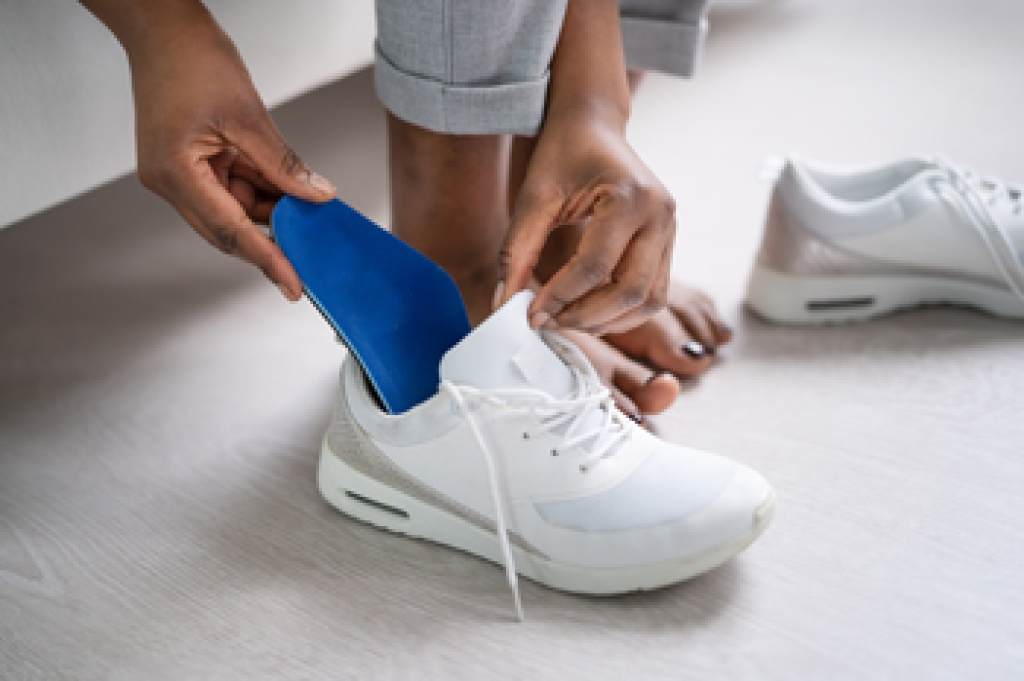
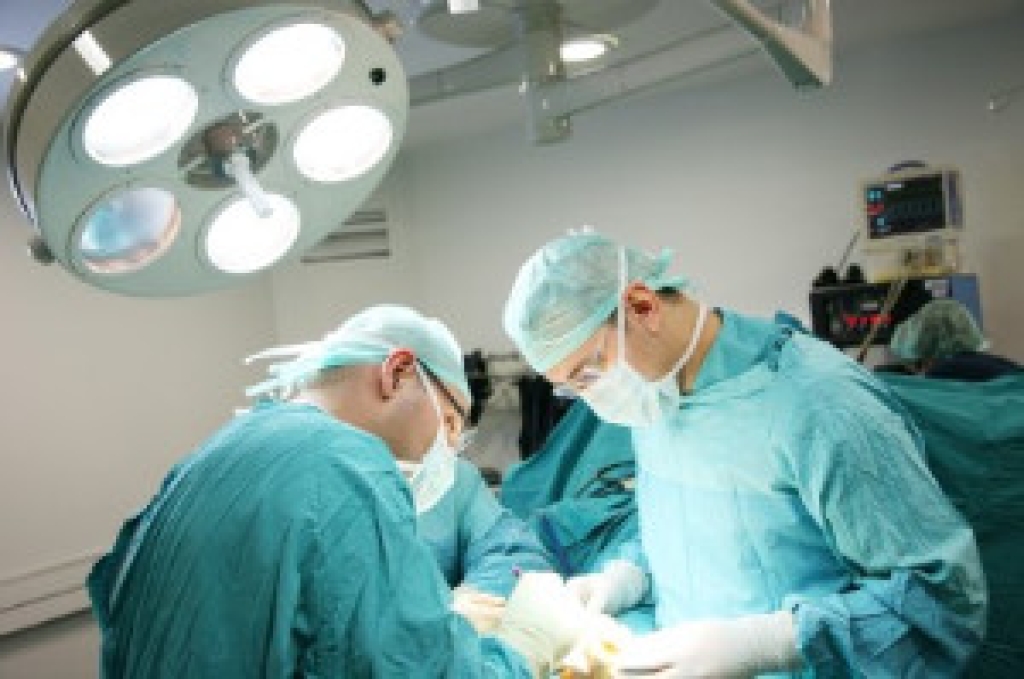
Treatment for hammertoe depends on the severity of the condition. Early stages may be managed with shoe modifications, orthotic devices, and padding to reduce pressure on the affected toe. Stretching exercises may help improve flexibility. However, when the deformity becomes rigid or painful, surgical correction may be recommended. Hammertoe surgery involves releasing tight tendons, realigning the toe, and in some cases, removing a small section of bone to restore proper alignment. The goal is to improve function and reduce pain. Recovery time after hammertoe surgery varies, depending on the procedure performed. Most patients can expect swelling and limited activity for several weeks. Full recovery may take several months, with a gradual return to normal footwear and activity levels. If you need hammertoe surgery, it is strongly suggested that you consult a podiatrist who can discuss the benefits of this type of surgery with you.

Foot surgery is sometimes necessary to treat a foot ailment. To learn more, contact Dr. Eddy Caldwell of Foot Care of Northeast Arkansas, P.A.. Our doctor will assist you with all of your foot and ankle needs.

When Is Surgery Necessary?

Foot and ankle surgery is generally reserved for cases in which less invasive, conservative procedures have failed to alleviate the problem. Some of the cases in which surgery may be necessary include:

  • Removing foot deformities like bunions and bone spurs
  • Severe arthritis that has caused bone issues
  • Cosmetic reconstruction

What Types of Surgery Are There?

The type of surgery you receive will depend on the nature of the problem you have. Some of the possible surgeries include:

  • Bunionectomy for painful bunions
  • Surgical fusion for realignment of bones
  • Neuropathy decompression surgery to treat nerve damage

Benefits of Surgery

Although surgery is usually a last resort, it can provide more complete pain relief compared to non-surgical methods and may allow you to finally resume full activity.

Surgical techniques have also become increasingly sophisticated. Techniques like endoscopic surgery allow for smaller incisions and faster recovery times.

If you have any questions, please feel free to contact our office located in Jonesboro, AR . We offer the newest diagnostic and treatment technologies for all your foot care needs.

Read more about Foot Surgery

Hidden Causes of Toe Pain in Teen Athletes

Teen athletes place repeated strain on their feet through running, jumping, pivoting, and high-impact training. While stress injuries are often associated with larger foot bones, smaller toe bones can also develop tiny cracks from overuse. Pain in the second toe, especially near its base, may be mistaken for a sprain, jammed toe, or simple soreness, which can delay proper diagnosis. Symptoms may include swelling, tenderness, pain with movement, or discomfort that worsens during sports activity. Because these injuries are less commonly suspected, they may be overlooked without a careful examination and appropriate imaging. Early diagnosis is important to prevent worsening injury and allow proper healing before returning to activity. Young athletes with persistent toe pain should not assume the issue is minor, especially when symptoms continue despite rest. If your teen has consistent foot or toe pain related to sports, it is suggested that you visit a podiatrist for evaluation.

Toe pain can disrupt your daily activities. If you have any concerns, contact Dr. Eddy Caldwell of Foot Care of Northeast Arkansas, P.A.. Our doctor can provide the care you need to keep you pain-free and on your feet.

What Causes Toe Pain?

Most severe toe pain is caused due to a sports injury, trauma from dropping something heavy on the toe, or bumping into something rigid. Other problems can develop over time for various reasons.

Toe pain can be caused by one or more ailments. The most common include:

  • Trauma
  • Sports injury
  • Wearing shoes that are too tight
  • Arthritis
  • Gout
  • Corns and calluses
  • Hammertoe
  • Bunions
  • Blisters
  • Ingrown toenails
  • Sprains
  • Fractures (broken bones)
  • Dislocations

When to See a Podiatrist

  • Severe pain
  • Persistent pain that lasts more than a week
  • Signs of infection
  • Continued swelling
  • Pain that prevents walking

Diagnosis

In many cases the cause of toe pain is obvious, but in others, a podiatrist may want to use more advanced methods to determine the problem. These can range from simple visual inspections and sensation tests to X-rays and MRI scans. Prior medical history, family medical history, and any recent physical traumatic events will all be taken into consideration for a proper diagnosis.

Treatment

Treatments for toe pain and injuries vary and may include shoe inserts, padding, taping, medicines, injections, and in some cases, surgery. If you believe that you have broken a toe, please see a podiatrist as soon as possible.

If you have any questions please contact our office located in Jonesboro, AR . We offer the newest diagnostic and treatment technologies for all your foot and ankle needs.

Read more about Toe Pain

Custom Orthotics Help Runners Protect Their Feet

Runners, meet your game-changer: Custom Orthotics. Every stride matters, and with Custom Orthotics, you can ensure optimal foot alignment, reducing stress on joints and muscles. They help absorb shock, protect against injuries, and can even enhance your running efficiency. Whether you're sprinting short distances or conquering marathons, Custom Orthotics provide the support and balance your feet crave. Call today for more information.

Risk Factors for Acquired Flat Feet

Acquired flat feet develop when the arch of the foot gradually lowers, and the foot rolls inward while walking. Several risk factors increase the chance of this happening. Aging is a common cause because the tendons and muscles that support the arch can weaken. Excess body weight also places added pressure on the feet and ankles. Diabetes and high blood pressure can affect blood flow and weaken soft tissue in the feet. Previous foot or ankle injuries raise the risk as well. Wearing shoes that lack proper support can place strain on the arch and tendons. People with arthritis may notice changes in foot shape that lead to flat feet. Common signs include swelling near the inside of the ankle, tired feet, and pain after standing for long periods. A podiatrist can examine the feet and provide custom orthotics, supportive footwear guidance, and other treatment options. If you have signs of flat feet, it is suggested that you make an appointment with a podiatrist for an exam and treatment options.

Flatfoot is a condition many people suffer from. If you have flat feet, contact Dr. Eddy Caldwell from Foot Care of Northeast Arkansas, P.A.. Our doctor will treat your foot and ankle needs.

What Are Flat Feet?

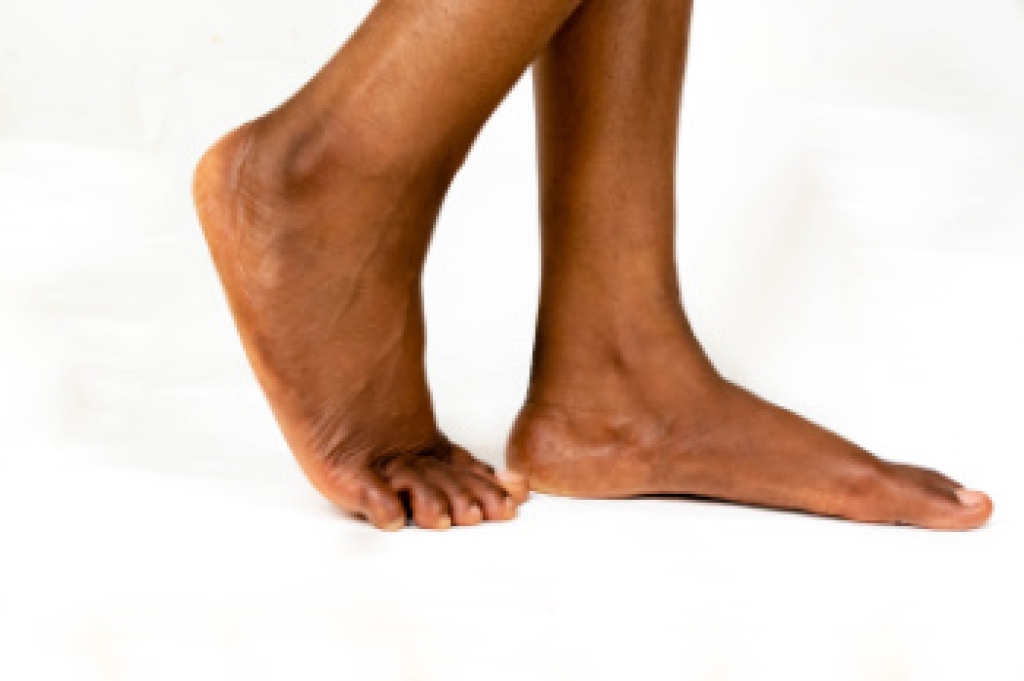
Flatfoot is a condition in which the arch of the foot is depressed and the sole of the foot is almost completely in contact with the ground. About 20-30% of the population generally has flat feet because their arches never formed during growth.

Conditions & Problems:

Having flat feet makes it difficult to run or walk because of the stress placed on the ankles.

Alignment – The general alignment of your legs can be disrupted, because the ankles move inward which can cause major discomfort.

Knees – If you have complications with your knees, flat feet can be a contributor to arthritis in that area.  

Symptoms

  • Pain around the heel or arch area
  • Trouble standing on the tip toe
  • Swelling around the inside of the ankle
  • Flat look to one or both feet
  • Having your shoes feel uneven when worn

Treatment

If you are experiencing pain and stress on the foot you may weaken the posterior tibial tendon, which runs around the inside of the ankle. 

If you have any questions, please feel free to contact our office located in Jonesboro, AR . We offer the newest diagnostic and treatment technologies for all your foot care needs.
Read more about What is Flexible Flat Foot?

Orthotic Treatment to Improve 1st Step Pain

First-step pain is a sharp pain in the heel that is often felt when getting out of bed or standing after rest. This happens when tissue along the bottom of the foot becomes tight and strained from repeated stress. During rest, the tissue shortens, and when weight is placed on the foot, it stretches quickly and causes pain. Common causes include flat feet, high arches, and poor foot alignment that place extra pressure on the heel. Symptoms include stabbing heel pain, stiffness, tenderness, and discomfort that may ease with movement but return later in the day. Orthotic treatment can help by supporting the arch and improving how the foot lines up during movement. This support helps spread pressure more evenly and reduces strain on the heel. With better alignment, the foot can move with less stress and improved comfort. If you are experiencing any of these symptoms, it is suggested that you schedule an appointment with a podiatrist to see if orthotics are the right treatment for you. 

Custom orthotics play an important role in preventing and treating foot and ankle injuries by providing personalized support that aligns with the unique structure of each foot. These specially designed devices help correct biomechanical imbalances, reduce pressure on sensitive areas, and improve stability during movement. When the feet are properly supported, the risk of developing conditions such as plantar fasciitis, Achilles tendinitis, and ankle sprains can be significantly reduced. Custom orthotics also help relieve discomfort caused by having flat feet, high arches, or uneven leg length, which may contribute to recurring injuries or pain.

Foot and ankle injuries can develop gradually from repetitive strain or occur suddenly during physical activity. Without proper treatment, these injuries can affect mobility and overall quality of life. Orthotics work to redistribute weight evenly across the foot, allowing joints and muscles to function more efficiently. This not only supports recovery from injury but can also prevent future problems by promoting better posture and alignment throughout the lower body.

Unlike over-the-counter inserts, custom orthotics are designed based on a detailed evaluation of each patient’s foot structure, gait, and medical needs. Podiatrists use advanced imaging and diagnostic tools to create orthotics that fit precisely and provide targeted correction. Whether used in everyday footwear or athletic shoes, custom orthotics can improve comfort, enhance performance, and support long-term foot health.

If you are experiencing foot or ankle pain or have sustained an injury that has not improved with rest, it is suggested that you schedule an appointment with a podiatrist. Call our office for more information or to make an appointment.

If you have any questions, please feel free to contact our office located in Jonesboro, AR

Read more about Sole Marketing Foot Discomfort

Connect With Us