Pickleball and the Risk to Your Feet

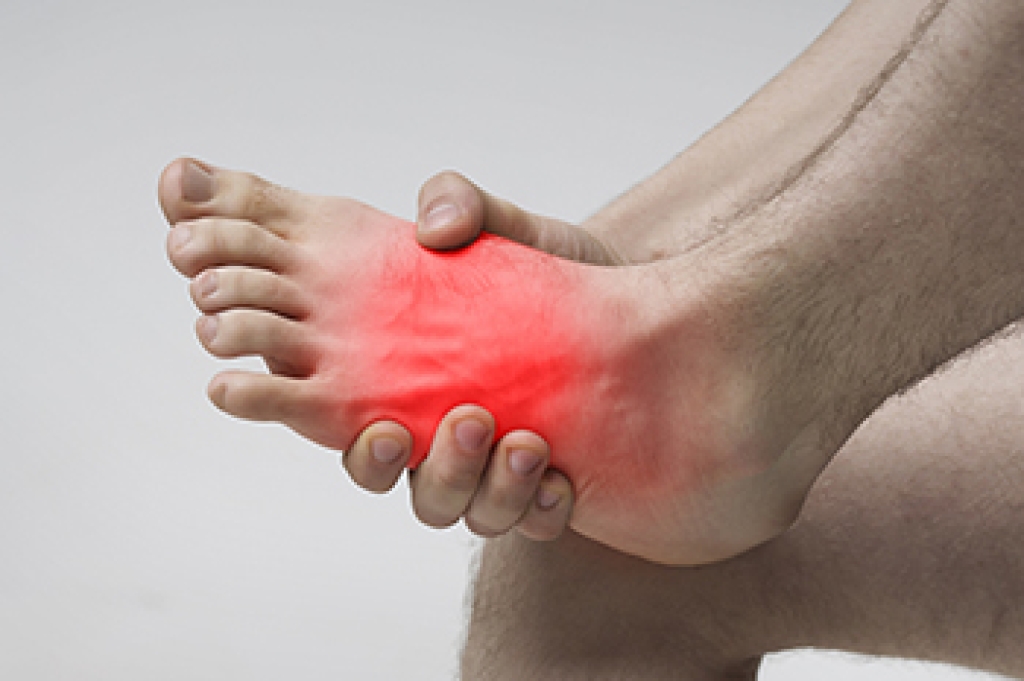
Pickleball has become a favorite pastime in recent years, especially among adults looking for a social and active sport. Despite its friendly image, the game places repeated stress on the feet and ankles. Quick lateral movements, sudden stops, and short bursts of speed can strain tendons and joints. Studies and clinical experience show that injuries are seen more often in older players, particularly men. Severe tendon damage near the heel is frequently diagnosed, along with ankle sprains, plantar fascia strain, and stress injuries. Wearing court-specific shoes, warming up properly, and allowing time for recovery can help reduce injury risk. Listening to early pain signals is also important, since playing through discomfort often leads to longer setbacks. If foot or ankle pain develops during pickleball play, it is suggested that you seek evaluation by a podiatrist to help you identify the cause and guide treatment.

Ankle and foot injuries are common among athletes and in many sports. They can be caused by several problems and may be potentially serious. If you are feeling pain or think you were injured in a sporting event or when exercising, consult with Dr. Eddy Caldwell from Foot Care of Northeast Arkansas, P.A.. Our doctor will assess your condition and provide you with quality foot and ankle treatment.

Common Injuries

The most common injuries that occur in sporting activities include:

  • Achilles Tendonitis
  • Achilles Tendon Rupture
  • Ankle Sprains
  • Broken Foot
  • Plantar Fasciitis
  • Stress Fractures
  • Turf Toe

Symptoms

Symptoms vary depending upon the injury and in some cases, there may be no symptoms at all. However, in most cases, some form of symptom is experienced. Pain, aching, burning, bruising, tenderness, tightness or stiffness, sensation loss, difficulty moving, and swelling are the most common symptoms.

Treatment

Just as symptoms vary depending upon the injury, so do treatment options. A common treatment method is known as the RICE method. This method involves rest, applying ice, compression and elevating the afflicted foot or ankle. If the injury appears to be more serious, surgery might be required, such as arthroscopic or reconstructive surgery. Lastly, rehabilitation or therapy might be needed to gain full functionality in the afflicted area. Any discomfort experienced by an athlete must be evaluated by a licensed, reputable medical professional.  

If you have any questions please contact our office located in Jonesboro, AR . We offer the newest diagnostic and treatment technologies for all your foot and ankle needs.
Read more about Sports Related Foot and Ankle Injuries

Try Custom Orthotics For Outdoor Activities

Embrace the great outdoors with confidence and comfort! Whether you're hiking, jogging, or exploring nature, Custom Orthotics are your perfect companion. Tailored to your foot's unique needs, they provide stability on uneven terrains and cushioning for those longer adventures. Don't let foot discomfort limit your outdoor experiences. With Custom Orthotics, every step is supported and secure. Call today to schedule an appointment.

Ingrown Toenails Are More Than a Trimming Issue

Ingrown toenails are often described as a simple trimming problem, but the real causes are usually more complex. Nail shape, toe structure, and pressure patterns all influence how a nail grows. Shoes that crowd the toes, repetitive stress from walking or sports, and even subtle changes in gait can push the nail edge into surrounding skin. Over time, the body reacts with swelling, redness, and pain that may worsen without clear infection. Home remedies sometimes mask symptoms while the nail continues to grow incorrectly beneath the surface. Chronic ingrown toenails can also alter how you walk, leading to discomfort elsewhere in the foot. Treatment focuses on correcting the nail growth pattern and relieving pressure, not just reducing pain. If toe pain, swelling, or recurring nail issues persist, it is suggested that you see a podiatrist for a diagnosis and appropriate treatment.

Ingrown toenails may initially present themselves as a minor discomfort, but they may progress into an infection in the skin without proper treatment. For more information about ingrown toenails, contact Dr. Eddy Caldwell of Foot Care of Northeast Arkansas, P.A.. Our doctor can provide the care you need to keep you pain-free and on your feet.

Ingrown Toenails

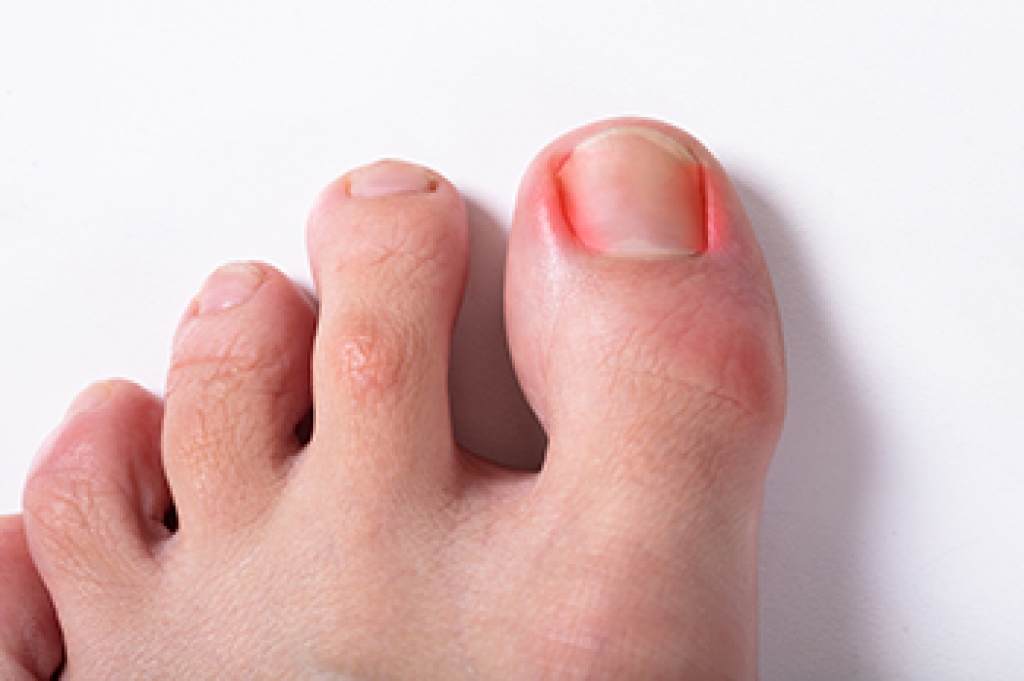
Ingrown toenails are caused when the corner or side of a toenail grows into the soft flesh surrounding it. They often result in redness, swelling, pain, and in some cases, infection. This condition typically affects the big toe and may recur if it is not treated properly.

Causes

  • Improper toenail trimming
  • Genetics
  • Improper shoe fitting
  • Injury from pedicures or nail picking
  • Abnormal gait
  • Poor hygiene

You are more likely to develop an ingrown toenail if you are obese, have diabetes, arthritis, or have any fungal infection in your nails. Additionally, people who have foot or toe deformities are at a higher risk of developing an ingrown toenail.

Symptoms

Some symptoms of ingrown toenails are redness, swelling, and pain. In rare cases, there may be a yellowish drainage coming from the nail.

Treatment

Ignoring an ingrown toenail can have serious complications. Infections of the nail border can progress to a deeper soft-tissue infection, which can then turn into a bone infection. You should always speak with your podiatrist if you suspect you have an ingrown toenail, especially if you have diabetes or poor circulation.

If you have any questions, please feel free to contact our office located in Jonesboro, AR . We offer the newest diagnostic and treatment technologies for all your foot care needs.

Read more about Ingrown Toenail Care

Choosing the Right Custom Orthotics

When aches or pains in the feet or ankles slow down your day, the cause often lies in how your feet carry your weight, how your arches are shaped, or how your ankles roll inward or outward during movement. Flat arches, high arches, uneven pressure, or misalignment can lead to heel soreness, arch fatigue, ankle instability, or foot discomfort. In cases like these, getting the correct custom orthotics can be beneficial. A podiatrist will examine how your foot moves, check how your ankle connects to your leg, and identify which part of your foot needs extra support. Orthotics help by guiding the foot into better position, supporting weak arches, cushioning stress points and reducing strain on the ankles. For a long-term improvement in how your feet feel and move, it is suggested that you schedule an appointment with a podiatrist for a complete evaluation for custom orthotics. 

Custom orthotics are specialized shoe inserts created to support and align the feet according to each person’s unique structure and walking pattern. They are an effective way to relieve foot discomfort caused by conditions such as flat feet, high arches, plantar fasciitis, bunions, and heel pain. When the natural alignment of the foot is off balance, it can lead to pressure points, strain, and pain that affect how a person stands, walks, and moves. Orthotics work by redistributing weight evenly and supporting the arch to reduce stress on the muscles, tendons, and joints of the feet and lower legs.

Foot discomfort can develop for many reasons, including wearing improper footwear, long hours of standing, repetitive motion, or underlying structural problems. Over time, this discomfort can extend beyond the feet, contributing to knee, hip, or lower back pain. Custom orthotics help correct these issues by improving alignment and promoting more efficient movement. They are made using precise measurements and imaging to ensure the best fit for each patient, providing targeted support and cushioning where it is needed most.

Unlike generic insoles, custom orthotics are durable, medically designed, and tailored to your specific needs. Whether you are managing chronic pain, recovering from an injury, or simply seeking better comfort and stability, orthotics can make a noticeable difference in how your feet feel throughout the day.

If you are experiencing persistent foot discomfort or fatigue, it may be time to have your feet evaluated by a podiatrist. Call our office today for more information or to schedule an appointment.

If you have any questions, please feel free to contact our office located in Jonesboro, AR

Read more about Sole Marketing Foot Pain

Relief Options for Midfoot Arthritis

Midfoot arthritis causes pain and stiffness where the long bones of the foot meet the arch joints. This condition often develops after an injury, overuse, or years of uneven pressure during walking. Treatment begins with reducing stress on the affected joints. Wearing supportive shoes with stiff soles can limit painful motion. Custom orthotics help redistribute pressure and improve alignment. Activity modification and targeted exercises may improve strength and flexibility. Additionally, anti inflammatory medications or injections are sometimes used to calm joint irritation. When conservative care does not provide relief, surgical options may be considered. Procedures focus on stabilizing or fusing damaged joints to reduce pain and restore function and early evaluation is important because untreated arthritis can gradually worsen. Proper treatment helps many people remain active and comfortable. If midfoot pain or stiffness limits movement, it is suggested that you see a podiatrist.

Arthritis can be a difficult condition to live with. If you are seeking treatment, contact Dr. Eddy Caldwell from Foot Care of Northeast Arkansas, P.A.. Our doctor can provide the care you need to keep you pain-free and on your feet.

Arthritic Foot Care  

Arthritis is a joint disorder that involves the inflammation of different joints in your body, such as those in your feet. Arthritis is often caused by a degenerative joint disease and causes mild to severe pain in all affected areas. In addition to this, swelling and stiffness in the affected joints can also be a common symptom of arthritis.

In many cases, wearing ill-fitting shoes can worsen the effects and pain of arthritis. Wearing shoes that have a lower heel and extra room can help your feet feel more comfortable. In cases of rheumatoid arthritis, the arch in your foot may become problematic. Buying shoes with proper arch support that contour to your feet can help immensely.

Alleviating Arthritic Pain

  • Exercises that stretch the foot can prevent further pain and injury and increase mobility
  • Most of the pain can be alleviated with anti-inflammatory drugs, heat, and topical medications
  • Massages can help temporarily alleviate pain.

It is best to see your doctor for the treatment that is right for your needs and symptoms. Conditions vary, and a podiatrist can help you determine the right method of care for your feet.

If you have any questions please feel free to contact our office located in Jonesboro, AR . We offer the newest diagnostic tools and technology to treat your foot and ankle needs.

Read more about Arthritic Foot Care

Connect With Us