Prevent Injury and Fatigue With Custom Orthotics

Custom Orthotics aren't just about comfort; they're your shield against injury and fatigue. By aligning your feet just right, they reduce strain on muscles and joints, ensuring you stay active longer without the usual wear and tear. Whether you're an athlete pushing limits or someone seeking day-to-day ease, Custom Orthotics offer the support you need. Don't let fatigue set the pace; with Custom Orthotics, you're always one step ahead. Call today for more information.

Understanding Bunions From Cause to Care

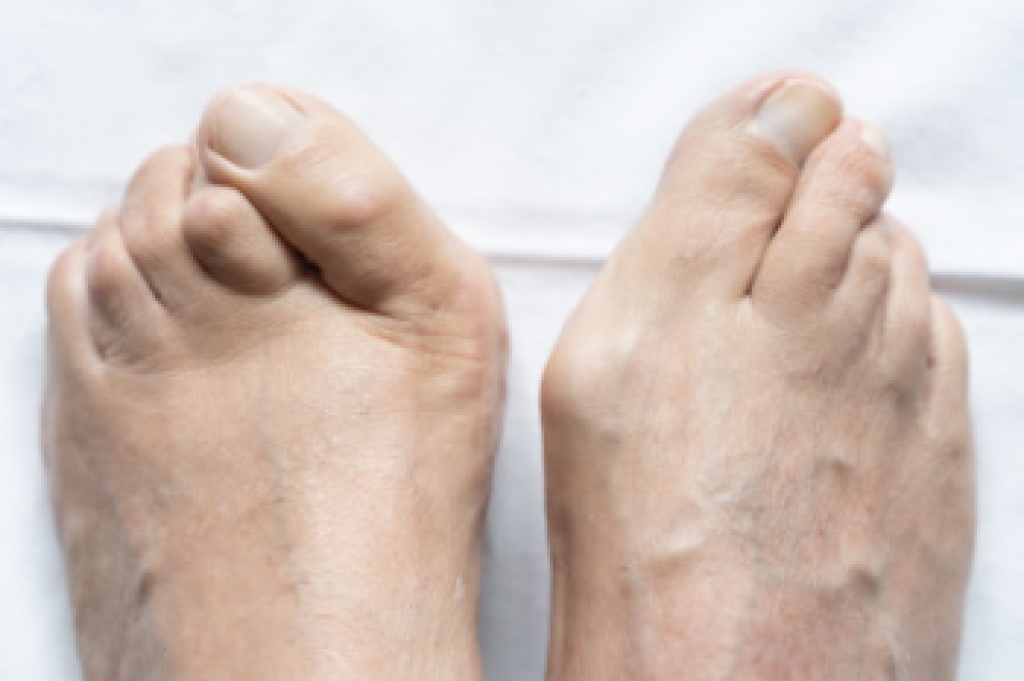
Bunions develop when the big toe shifts out of alignment, creating a visible bump at the base of the toe, and often leading to discomfort. This change can be influenced by foot structure, inherited traits, footwear choices, and the way pressure is placed on the foot over time. As the joint moves, surrounding tissues can become irritated, making walking and wearing shoes more difficult. A thorough evaluation looks beyond the bump itself to understand what is driving the change, including how the foot functions during movement. Care is tailored to each individual and may include shoe modifications, padding, custom orthotics, or exercises to improve support and reduce strain. When conservative measures are no longer effective, surgical correction may be considered to realign the joint and relieve pain. If a bunion is causing discomfort or limiting activity, it is suggested that you see a podiatrist for a proper diagnosis and appropriate treatment.

If you are suffering from bunions, contact Dr. Eddy Caldwell of Foot Care of Northeast Arkansas, P.A.. Our doctor can provide the care you need to keep you pain-free and on your feet.

What Is a Bunion?

A bunion is formed of swollen tissue or an enlargement of boney growth, usually located at the base joint of the toe that connects to the foot. The swelling occurs due to the bones in the big toe shifting inward, which impacts the other toes of the foot. This causes the area around the base of the big toe to become inflamed and painful.

Why Do Bunions Form?

Genetics – Susceptibility to bunions are often hereditary

Stress on the feet – Poorly fitted and uncomfortable footwear that places stress on feet, such as heels, can worsen existing bunions

How Are Bunions Diagnosed?

Podiatrists often perform two tests – blood tests and x-rays – when trying to diagnose bunions, especially in the early stages of development. Blood tests help determine if the foot pain is being caused by something else, such as arthritis, while x-rays provide a clear picture of your bone structure to your provider.

How Are Bunions Treated?

  • Refrain from wearing heels or similar shoes that cause discomfort
  • Select wider shoes that can provide more comfort and reduce pain
  • Anti-inflammatory and pain management drugs
  • Orthotics or foot inserts
  • Surgery

If you have any questions, please feel free to contact our office located in Jonesboro, AR . We offer the newest diagnostic and treatment technologies for all your foot care needs.
Read more about Bunions

Gout Pain Can Be Managed

Gout is a painful, inflammatory form of arthritis. Those affected will typically feel an intense stiffness in the joints of their feet, particularly in the big toe. Schedule a visit to learn about how gout can be managed and treated.

Flexible Flat Feet and Orthotics

Flexible flat feet happen when the arch of the foot flattens while standing, and then returns when the foot is lifted. This can come from loose ligaments, changes in foot shape as a child grows, or extra stress from walking, running, or standing for long hours. People with flexible flat feet may feel pain in the arch, heel, ankle, or lower leg because the muscles and joints must work harder to support the body. Symptoms include tired feet, aching along the inside of the foot, and pain that gets worse after activity. Orthotics can help by supporting the arch, guiding the foot to move in a healthier way, and spreading pressure more evenly across the sole. Good support can help reduce strain on muscles and joints and help the foot feel steadier when walking or standing. If you are experiencing any of the above symptoms, it is suggested that you schedule an appointment to learn how orthotics and podiatric treatment can help reduce pain and improve function.

Custom orthotics are often an effective solution for people experiencing heel pain, offering both comfort and correction for the underlying causes of discomfort. Heel pain commonly develops when the natural support of the foot becomes strained or imbalanced, leading to inflammation and irritation in the heel area. Conditions such as plantar fasciitis, heel spurs, or flat feet can all contribute to chronic heel pain that worsens with walking or standing. Custom orthotics are designed to fit the exact shape of your foot, providing the support and alignment necessary to reduce stress on the heel and surrounding tissues.

By redistributing pressure and improving overall foot mechanics, custom orthotics allow the heel to function more efficiently during movement. They cushion each step, absorb shock, and correct abnormal gait patterns that may be contributing to pain. Over time, this consistent support can ease inflammation, protect against re-injury, and enhance comfort during both daily and athletic activities.

Unlike prefabricated insoles, custom orthotics are created from a detailed evaluation that may include digital scans or molds of your feet. This ensures a precise and individualized fit that addresses your specific condition. They can be used in various types of footwear, from athletic shoes to dress styles, making them a versatile option for ongoing relief.

If heel pain is limiting your comfort or activity level, it is suggested that you call our office for more information or to schedule an appointment.

If you have any questions please contact our office located in Jonesboro, AR

Read more about Sole Marketing Foot Discomfort

Managing Achilles Tendon Pain

Pain in the back of the heel or lower leg may be linked to irritation of the Achilles tendon, often caused by overuse, tight muscles, or sudden increases in activity. Early care focuses on reducing strain. This may include modifying activity, avoiding hills or high-impact movement, and wearing supportive footwear. Gentle stretching of the calf muscles may improve flexibility. A structured exercise program is often recommended to strengthen the tendon and improve function, over time. In some cases, heel lifts or custom inserts may reduce tension during walking. Recovery can take time, and consistent care is important. If tendon pain continues or worsens, it is suggested that you see a podiatrist for a full evaluation and a treatment plan tailored to your needs.

Achilles tendon injuries need immediate attention to avoid future complications. If you have any concerns, contact Dr. Eddy Caldwell of Foot Care of Northeast Arkansas, P.A.. Our doctor can provide the care you need to keep you pain-free and on your feet.

What Is the Achilles Tendon?

The Achilles tendon is a tendon that connects the lower leg muscles and calf to the heel of the foot. It is the strongest tendon in the human body and is essential for making movement possible. Because this tendon is such an integral part of the body, any injuries to it can create immense difficulties and should immediately be presented to a doctor.

What Are the Symptoms of an Achilles Tendon Injury?

There are various types of injuries that can affect the Achilles tendon. The two most common injuries are Achilles tendinitis and ruptures of the tendon.

Achilles Tendinitis Symptoms

  • Inflammation
  • Dull to severe pain
  • Increased blood flow to the tendon
  • Thickening of the tendon

Rupture Symptoms

  • Extreme pain and swelling in the foot
  • Total immobility

Treatment and Prevention

Achilles tendon injuries are diagnosed by a thorough physical evaluation, which can include an MRI. Treatment involves rest, physical therapy, and in some cases, surgery. However, various preventative measures can be taken to avoid these injuries, such as:

  • Thorough stretching of the tendon before and after exercise
  • Strengthening exercises like calf raises, squats, leg curls, leg extensions, leg raises, lunges, and leg presses

If you have any questions please feel free to contact our office located in Jonesboro, AR . We offer the newest diagnostic tools and technology to treat your foot and ankle needs.

Read more about Achilles Tendon Injuries

Connect With Us