Connect With Us
Blog
Items filtered by date: March 2025
Tuesday, 25 March 2025 00:00
Causes of Swollen Feet During Pregnancy

Swollen feet are a common concern during pregnancy, often caused by increased fluid retention and pressure on the veins from the growing uterus. Hormonal changes can also contribute to swelling by affecting circulation. To reduce discomfort, elevating the feet whenever possible helps improve blood flow and decrease fluid buildup. Gentle exercises such as walking or ankle rotations encourage circulation and prevent stiffness. Wearing comfortable, supportive shoes reduces strain on the feet, while compression socks can help minimize swelling. Additionally, staying hydrated and reducing salt intake can prevent excess fluid retention. Soaking the feet in cool water provides relief and soothes discomfort. Swelling is usually harmless, but sudden or severe swelling should be discussed with a podiatrist to rule out any underlying concerns related to pregnancy. If you have developed problematic foot conditions during your pregnancy, it is suggested that you contact a podiatrist who can offer you effective relief remedies.
Pregnant women with swollen feet can be treated with a variety of different methods that are readily available. For more information about other cures for swollen feet during pregnancy, consult with Dr. Eddy Caldwell from Foot Care of Northeast Arkansas, P.A.. Our doctor will attend to all of your foot and ankle needs.
What Foot Problems Can Arise During Pregnancy?
One problem that can occur is overpronation, which occurs when the arch of the foot flattens and tends to roll inward. This can cause pain and discomfort in your heels while you’re walking or even just standing up, trying to support your baby.
Another problem is edema, or swelling in the extremities. This often affects the feet during pregnancy but tends to occur in the later stages.
How Can I Keep My Feet Healthy During Pregnancy?
- Wearing orthotics can provide extra support for the feet and help distribute weight evenly
- Minimize the amount of time spent walking barefoot
- Wear shoes with good arch support
- Wear shoes that allow for good circulation to the feet
- Elevate feet if you experience swelling
- Massage your feet
- Get regular, light exercise, such as walking, to promote blood circulation to the feet
If you have any questions please feel free to contact our office located in Jonesboro, AR . We offer the newest diagnostic and treatment technologies for all your foot and ankle needs.
Thursday, 20 March 2025 00:00
Struggling With Heel Pain? Custom Orthotics Can Help

Struggling with heel pain? Discover the relief Custom Orthotics can bring. Customized to your foot's unique structure, Custom Orthotics offer targeted support, alleviating pressure points and redistributing weight. This means reduced heel pain and a more comfortable step, every time. Whether you're walking, working, or working out, Custom Orthotics ensure your heels feel cushioned and cared for. Experience the transformative power of Custom Orthotics with us today! Call today for more information.
Tuesday, 18 March 2025 00:00
Risk Factors and Types of Toenail Fungus
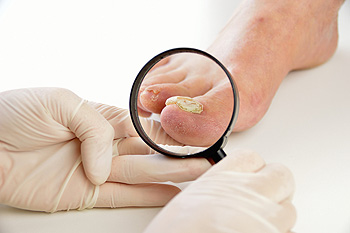
Toenail fungus, medically termed onychomycosis, occurs when fungi grow excessively in or under the toenail, resulting in thickened, brittle, or discolored nails. The risk of developing fungal toenails increases with prolonged exposure to warm, moist environments, such as wearing closed-toe shoes for extended periods or walking barefoot in gym showers and pool areas. People with diabetes, poor circulation, a weakened immune system, or a history of nail injuries are more susceptible to infection. Aging also plays a role, as slower nail growth and reduced blood flow to the feet increase the risk. Improperly sanitized tools at nail salons can spread fungal infections from one person to another. Symptoms may develop gradually, making early detection difficult. If left untreated, the infection can worsen, causing pain or the nail to separate from the nail bed. A podiatrist can assess the severity of the infection and provide treatment, including topical or oral medication, laser therapy, or possible nail removal. If you believe you have a toenail fungus, it is suggested that you schedule an appointment with a podiatrist for an exam, diagnosis, and appropriate treatment options.
If left untreated, toenail fungus may spread to other toenails, skin, or even fingernails. If you suspect you have toenail fungus it is important to seek treatment right away. For more information about treatment, contact Dr. Eddy Caldwell of Foot Care of Northeast Arkansas, P.A.. Our doctor can provide the care you need to keep you pain-free and on your feet.
Symptoms
- Warped or oddly shaped nails
- Yellowish nails
- Loose/separated nail
- Buildup of bits and pieces of nail fragments under the nail
- Brittle, broken, thickened nail
Treatment
If self-care strategies and over-the-counter medications does not help your fungus, your podiatrist may give you a prescription drug instead. Even if you find relief from your toenail fungus symptoms, you may experience a repeat infection in the future.
Prevention
In order to prevent getting toenail fungus in the future, you should always make sure to wash your feet with soap and water. After washing, it is important to dry your feet thoroughly especially in between the toes. When trimming your toenails, be sure to trim straight across instead of in a rounded shape. It is crucial not to cover up discolored nails with nail polish because that will prevent your nail from being able to “breathe”.
In some cases, surgical procedure may be needed to remove the toenail fungus. Consult with your podiatrist about the best treatment options for your case of toenail fungus.
If you have any questions, please feel free to contact our office located in Jonesboro, AR . We offer the newest diagnostic and treatment technologies for all your foot care needs.
Thursday, 13 March 2025 00:00
Insoles for Symptomatic Flexible Flatfoot in Children
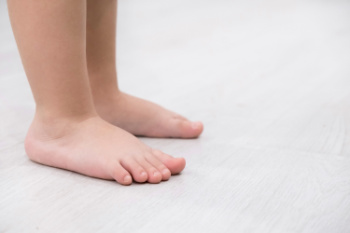
Children with symptomatic flexible flatfoot often experience discomfort, pain, and fatigue due to the collapse of the arch. Customized arch support insoles can provide significant relief by offering targeted support and helping to restore proper foot alignment. These insoles are specifically designed to address the unique needs of a child's developing feet, promoting healthier movement patterns and reducing excessive stress on joints and tissues. By improving arch support, customized insoles help to distribute weight more evenly across the foot, minimizing discomfort and preventing further complications. They also aid in correcting abnormal foot mechanics, reducing the risk of pain or deformities in the future. For children with flexible flatfoot, customized arch support insoles can provide a practical, non-invasive solution that supports their foot health and promotes active, pain-free movement. If your child has flat feet, it is suggested that you consult a podiatrist who can determine which type of orthotics your child will benefit from wearing.
If you are experiencing discomfort in your feet and would like to try custom orthotics, contact Dr. Eddy Caldwell from Foot Care of Northeast Arkansas, P.A.. Our doctor can provide the care you need to keep you pain-free and on your feet.
What Are Custom Orthotics?
Custom orthotics are inserts you can place into your shoes to help with a variety of foot problems such as flat feet or foot pain. Orthotics provide relief and comfort for minor foot and heel pain.
Over-the-Counter Inserts
Shoe inserts come in a wide variety and are used to treat foot pain, heel pain, and minor problems. For example, arch supports can be inserted into your shoes to help correct overarched or flat feet, while gel insoles are often used because they provide comfort and relief from foot and heel pain by alleviating pressure.
Prescription Orthotics
If over-the-counter inserts don’t work for you or if you have a more severe foot concern, it is possible to have your podiatrist prescribe custom orthotics. These high-quality, custom inserts are designed to treat problems such as abnormal motion, plantar fasciitis, and severe forms of heel pain. They can even be used to help patients suffering from diabetes by treating foot ulcers and painful calluses and are usually molded to your feet individually, which allows them to provide full support and comfort.
If you're experiencing minor to severe foot or heel pain, it’s recommended to speak with your podiatrist about the possibility of using custom orthotics or shoe inserts. A podiatrist can determine which type of custom orthotic or shoe insert is right for you and help you take the first steps toward being pain-free.
If you have any questions please contact our office located in Jonesboro, AR . We offer the newest diagnostic and treatment technologies for all your foot and ankle needs.
Wednesday, 12 March 2025 00:00
We Can Treat Your Foot or Ankle Pain
Foot or ankle pain can negatively affect your day-to-day life and can occur due to several different conditions. Pain can also be an indicator of a more serious underlying condition, which is why you should seek professional help as soon as you notice any abnormalities in your feet.
Tuesday, 11 March 2025 00:00
Painful Plantar Fasciitis
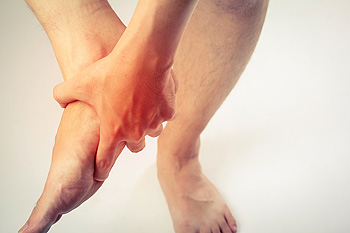
Plantar fasciitis is perhaps the most common cause of heel pain. It results from inflammation of the thick band of tissue called the plantar fascia, that runs along the bottom of the foot. The primary symptom is sharp, stabbing pain in the heel, particularly when taking your first steps in the morning or after sitting for a while. The pain can lessen with movement but may return after long periods of standing or walking. This condition is often caused by repetitive strain on the plantar fascia, which can be triggered by activities like running, wearing improper footwear, or having flat feet or high arches. A podiatrist can diagnose plantar fasciitis through a physical exam and may use imaging tests for a clearer view. Treatment typically involves stretching exercises, custom orthotics, and anti-inflammatory medication. In more severe cases, corticosteroid injections may be recommended. If you are dealing with this condition, it is suggested that you schedule an appointment with a podiatrist for proper care and relief.
Plantar fasciitis can be very painful and inconvenient. If you are experiencing heel pain or symptoms of plantar fasciitis, contact Dr. Eddy Caldwell from Foot Care of Northeast Arkansas, P.A.. Our doctor can provide the care you need to keep you pain-free and on your feet.
What Is Plantar Fasciitis?
Plantar fasciitis is the inflammation of the thick band of tissue that runs along the bottom of your foot, known as the plantar fascia, and causes mild to severe heel pain.
What Causes Plantar Fasciitis?
- Excessive running
- Non-supportive shoes
- Overpronation
- Repeated stretching and tearing of the plantar fascia
How Can It Be Treated?
- Conservative measures – anti-inflammatories, ice packs, stretching exercises, physical therapy, orthotic devices
- Shockwave therapy – sound waves are sent to the affected area to facilitate healing and are usually used for chronic cases of plantar fasciitis
- Surgery – usually only used as a last resort when all else fails. The plantar fascia can be surgically detached from the heel
While very treatable, plantar fasciitis is definitely not something that should be ignored. Especially in severe cases, speaking to your doctor right away is highly recommended to avoid complications and severe heel pain. Your podiatrist can work with you to provide the appropriate treatment options tailored to your condition.
If you have any questions please feel free to contact our office located in Jonesboro, AR . We offer the newest diagnostic and treatment technologies for all your foot and ankle needs.
Tuesday, 04 March 2025 00:00
Symptoms of Foot Stress Fractures
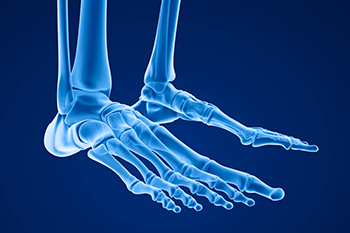
A foot stress fracture is a small crack in the bone that occurs due to repetitive pressure or overuse, often caused by high-impact activities such as running or jumping. These fractures are most common in the metatarsal bones of the foot but can occur in other areas as well. The primary cause of a stress fracture is repetitive force or stress that exceeds the bone's ability to heal. Risk factors for developing a stress fracture include engaging in intense physical activity without proper rest, wearing improper footwear, and having poor bone health or alignment. Individuals with conditions like osteoporosis or those undergoing rapid increases in exercise intensity are also at higher risk. Symptoms typically include pain, swelling, and tenderness in a specific area of the foot, especially during activity. If you have endured a foot stress fracture, it is suggested that you consult a podiatrist who can guide you toward the necessary treatment for recovery.
Activities where too much pressure is put on the feet can cause stress fractures. To learn more, contact Dr. Eddy Caldwell from Foot Care of Northeast Arkansas, P.A.. Our doctor can provide the care you need to keep your pain free and on your feet.
Dealing with Stress Fractures of the Foot and Ankle
Stress fractures occur in the foot and ankle when muscles in these areas weaken from too much or too little use. The feet and ankles then lose support when walking or running from the impact of the ground. Since there is no protection, the bones receive the full impact of each step. Stress on the feet can cause cracks to form in the bones, thus creating stress fractures.
What Are Stress Fractures?
Stress fractures occur frequently in individuals whose daily activities cause great impact on the feet and ankles. Stress factors are most common among:
- Runners
- People affected with Osteoporosis
- Tennis or basketball players
- Gymnasts
- High impact workouts
Symptoms
Pain from the fractures occur in the area of the fractures and can be constant or intermittent. It will often cause sharp or dull pain with swelling and tenderness. Engaging in any kind of activity which involves high impact will aggravate pain.
If you have any questions please feel free to contact our office located in Jonesboro, AR . We offer the newest diagnostic and treatment technologies for all your foot and ankle needs.