Connect With Us
Blog
Items filtered by date: February 2025
Tuesday, 25 February 2025 00:00
Laser Treatment for Fungal Toenails
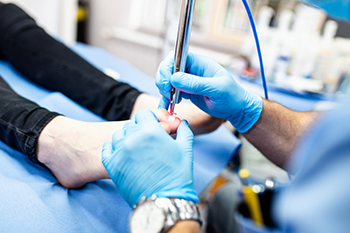
Laser treatment is a non-invasive option for addressing toenail fungus. This procedure uses concentrated light energy to target fungal infections beneath the toenail. It penetrates the nail and reaches the nail bed where the fungus resides. The heat generated by the laser toenail treatment disrupts fungal cells, preventing further growth and reducing infection. Some laser systems vaporize infected tissue, while others sterilize the area to prevent recurrence. Most patients require multiple sessions over several months to see improvements, as toenails grow slowly and healthy regrowth takes time. While laser toenail treatment is generally safe, some people may experience mild discomfort or temporary changes in the treated nail. A podiatrist can assess the severity of your fungal toenail infection, determine if laser therapy is appropriate, and monitor progress. Unlike oral antifungal medications, laser therapy does not typically cause systemic side effects, making it a preferred option for some patients. If you have a fungal toenail infection, it is suggested that you schedule an appointment with a podiatrist to see if laser treatment is right for you.
Laser treatment can be an effective way to get rid of toenail fungus. If you have any questions about laser treatment, consult with Dr. Eddy Caldwell from Foot Care of Northeast Arkansas, P.A.. Our doctor will assess your condition and provide you with quality treatment for fungal nails.
What Are Toenail Fungal Infections?
Onychomycosis, or fungal infection of the nail, is a relatively common and non-serious condition. Around 10 percent of U.S. citizens are afflicted with fungal nails. Common forms of fungus that infect the nail include dermatophytes, yeasts, and molds.
Symptoms of Toenail Fungal Infections Include:
- Nail thickening
- Brittleness of the nail
- Discoloration of the nail
Diagnosis for Fungal Nails
Fungal infections are diagnosed by fungal culture and microscopy. This will rule out any other conditions such as nail trauma, psoriasis, lichen planus, and onychogryphosis.
What Is Laser Treatment?
Laser treatment is a non-invasive, safe, quick, and painless procedure that uses the heat from a laser to kill fungus in the nail. Each infected nail is targeted with a laser for several minutes. The treatment is usually utilized several different times over a select period. During this time, a podiatrist will keep an eye on the infection.
If you have any questions, please feel free to contact our office located in Jonesboro, AR . We offer the newest diagnostic and treatment technologies for all your foot care needs.
Thursday, 20 February 2025 00:00
Custom Orthotics Help Runners Protect Their Feet

Runners, meet your game-changer: Custom Orthotics. Every stride matters, and with Custom Orthotics, you can ensure optimal foot alignment, reducing stress on joints and muscles. They help absorb shock, protect against injuries, and can even enhance your running efficiency. Whether you're sprinting short distances or conquering marathons, Custom Orthotics provide the support and balance your feet crave. Call today for more information.
Tuesday, 18 February 2025 00:00
Key Facts About Plantar Warts

Plantar warts are small, hard growths that appear on the bottom of the feet, often on the heel or the ball of the foot. They are caused by the human papillomavirus, or HPV, which enters the skin through tiny cuts or abrasions. While these warts are generally harmless, they can be painful, especially when pressure is applied while standing or walking. Plantar warts are contagious and can spread from person to person, typically in damp, warm environments like public showers or swimming pools. These warts often appear as rough, thickened areas of skin with tiny black dots, which are small blood vessels. Although they may go away on their own, plantar warts can take months or even years to disappear. Relief options include mild removal applications, cryotherapy, or in some cases, surgical removal. Plantar warts can cause pain and discomfort, and may lead to difficulty in completing daily activities. If you have developed this condition, it is suggested that you promptly contact a podiatrist who can offer you effective treatment and relief solutions.
Plantar warts can be very uncomfortable. If you need your feet checked, contact Dr. Eddy Caldwell from Foot Care of Northeast Arkansas, P.A.. Our doctor will assist you with all of your foot and ankle needs.
About Plantar Warts
Plantar warts are the result of HPV, or human papillomavirus, getting into open wounds on the feet. They are mostly found on the heels or balls of the feet.
While plantar warts are generally harmless, those experiencing excessive pain or those suffering from diabetes or a compromised immune system require immediate medical care. Plantar warts are easily diagnosed, usually through scraping off a bit of rough skin or by getting a biopsy.
Symptoms
- Lesions on the bottom of your feet, usually rough and grainy
- Hard or thick callused spots
- Wart seeds, which are small clotted blood vessels that look like little black spots
- Pain, discomfort, or tenderness of your feet when walking or standing
Treatment
- Freezing
- Electric tool removal
- Laser Treatment
- Topical Creams (prescription only)
- Over-the-counter medications
To help prevent developing plantar warts, avoid walking barefoot over abrasive surfaces that can cause cuts or wounds for HPV to get into. Avoiding direct contact with other warts, as well as not picking or rubbing existing warts, can help prevent the further spread of plantar warts. However, if you think you have developed plantar warts, speak to your podiatrist. He or she can diagnose the warts on your feet and recommend the appropriate treatment options.
If you have any questions please feel free to contact our office located in Jonesboro, AR . We offer the newest diagnostic and treatment technologies for all your foot and ankle needs.
Thursday, 13 February 2025 00:00
How Seniors Can Benefit from Foot Orthotics
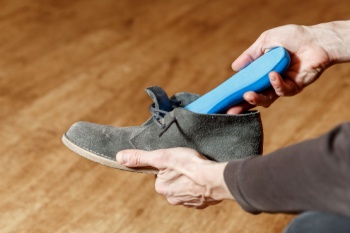
Foot orthotics offer significant benefits to seniors, particularly in preventing falls and improving balance. As people age, foot health can decline leading to issues like weakened arches, poor alignment, and discomfort. These conditions can contribute to instability and increase the risk of falls. Custom-made foot orthotics help by providing necessary support, stabilizing the feet, and ensuring proper alignment, which enhances overall balance and posture. By redistributing pressure across the foot, orthotics reduce the strain on joints and muscles, allowing for smoother and more confident movements. Proper foot support helps seniors maintain their posture while walking, reducing the likelihood of stumbling or losing balance. For seniors with conditions like arthritis, flat feet, or diabetes, orthotics provide pain relief and improve mobility. Foot orthotics help seniors move with greater stability and reduce the risk of falling. If you are a senior experiencing foot or ankle pain, it is suggested that you consult a podiatrist to determine if orthotics are right for you.
If you are experiencing discomfort in your feet and would like to try custom orthotics, contact Dr. Eddy Caldwell from Foot Care of Northeast Arkansas, P.A.. Our doctor can provide the care you need to keep you pain-free and on your feet.
What Are Custom Orthotics?
Custom orthotics are inserts you can place into your shoes to help with a variety of foot problems such as flat feet or foot pain. Orthotics provide relief and comfort for minor foot and heel pain.
Over-the-Counter Inserts
Shoe inserts come in a wide variety and are used to treat foot pain, heel pain, and minor problems. For example, arch supports can be inserted into your shoes to help correct overarched or flat feet, while gel insoles are often used because they provide comfort and relief from foot and heel pain by alleviating pressure.
Prescription Orthotics
If over-the-counter inserts don’t work for you or if you have a more severe foot concern, it is possible to have your podiatrist prescribe custom orthotics. These high-quality, custom inserts are designed to treat problems such as abnormal motion, plantar fasciitis, and severe forms of heel pain. They can even be used to help patients suffering from diabetes by treating foot ulcers and painful calluses and are usually molded to your feet individually, which allows them to provide full support and comfort.
If you're experiencing minor to severe foot or heel pain, it’s recommended to speak with your podiatrist about the possibility of using custom orthotics or shoe inserts. A podiatrist can determine which type of custom orthotic or shoe insert is right for you and help you take the first steps toward being pain-free.
If you have any questions please contact our office located in Jonesboro, AR . We offer the newest diagnostic and treatment technologies for all your foot and ankle needs.
Tuesday, 11 February 2025 00:00
Symptoms and Treatment of Bunions
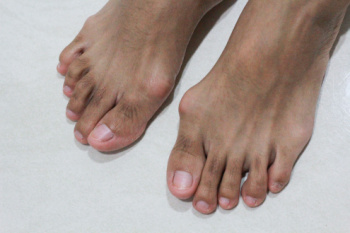
A bunion is a bony enlargement that develops at the base of the big toe, often caused when the top of the toe angles toward the others. This misalignment can lead to pain, swelling, redness, and difficulty walking. Other symptoms include irritated skin over the bump or stiffness in the joint. Bunions can develop due to genetics, foot structure, or wearing shoes like high heels that squeeze the toes or shift weight toward the forefoot. Bunions are diagnosed through physical examination, questions about symptoms and footwear, and sometimes X-rays to assess the joint’s alignment. Treatment focuses on reducing discomfort and improving foot function. A podiatrist can recommend footwear that minimizes pressure, as well as prescribe orthotic devices like splints or pads to improve alignment and provide cushioning. In more severe cases, this foot doctor may discuss surgery to restore joint alignment. If you have a problematic bunion, it is suggested that you schedule an appointment with a podiatrist for a diagnosis and treatment options.
If you are suffering from bunion pain, contact Dr. Eddy Caldwell of Foot Care of Northeast Arkansas, P.A.. Our doctor can provide the care you need to keep you pain-free and on your feet.
What Is a Bunion?
Bunions are painful bony bumps that usually develop on the inside of the foot at the joint of the big toe. As the deformity increases over time, it may become painful to walk and wear shoes. Women are more likely to exacerbate existing bunions since they often wear tight, narrow shoes that shift their toes together. Bunion pain can be relieved by wearing wider shoes with enough room for the toes.
Causes
- Genetics – some people inherit feet that are more prone to bunion development
- Inflammatory Conditions - rheumatoid arthritis and polio may cause bunion development
Symptoms
- Redness and inflammation
- Pain and tenderness
- Callus or corns on the bump
- Restricted motion in the big toe
In order to diagnose your bunion, your podiatrist may ask about your medical history, symptoms, and general health. Your doctor might also order an x-ray to take a closer look at your feet. Nonsurgical treatment options include orthotics, padding, icing, changes in footwear, and medication. If nonsurgical treatments don’t alleviate your bunion pain, surgery may be necessary.
If you have any questions, please feel free to contact our office located in Jonesboro, AR . We offer the newest diagnostic and treatment technologies for all your foot care needs.
Sunday, 09 February 2025 00:00
Keep Your Feet Healthy So You Can Stay Active

Have your feet inspected by a professional before starting a new sport or physical activity. Taking charge of your foot health will keep you in good physical condition and can help you avoid a potential injury, such as a fracture or sprained ankle.
Prevent injuries and see a foot specialist.
Tuesday, 04 February 2025 00:00
Dangers of Chronic Tophaceous Gout
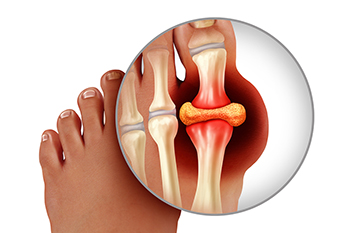
Chronic tophaceous gout is a severe stage of gout that impacts the feet, toes, and ankles, causing significant discomfort and potential joint damage. Chronic tophaceous gout occurs when uric acid levels remain consistently high, leading to the formation of tophi, which are hard, chalky deposits of urate crystals that form under the skin around joints and tissues. These tophi often appear as painful lumps that can contribute to swelling, redness, warmth, and tenderness in the affected areas, commonly the big toe or ankle. Left untreated, chronic tophaceous gout can lead to cartilage damage, bone erosion, and a decreased range of motion in the feet and ankles. Kidney issues, diabetes, or consuming a diet high in purine-rich foods can increase the likelihood of developing tophaceous gout. A podiatrist can identify tophi, offer guidance on lifestyle adjustments, and recommend treatment to control uric acid levels and minimize joint damage. If you are suffering from gout in your feet, it is suggested that you schedule an appointment with a podiatrist for an exam and treatment options.
Gout is a foot condition that requires certain treatment and care. If you are seeking treatment, contact Dr. Eddy Caldwell from Foot Care of Northeast Arkansas, P.A.. Our doctor will treat your foot and ankle needs.
What Is Gout?
Gout is a type of arthritis caused by a buildup of uric acid in the bloodstream. It often develops in the foot, especially the big toe area, although it can manifest in other parts of the body as well. Gout can make walking and standing very painful and is especially common in diabetics and the obese.
People typically get gout because of a poor diet. Genetic predisposition is also a factor. The children of parents who have had gout frequently have a chance of developing it themselves.
Gout can easily be identified by redness and inflammation of the big toe and the surrounding areas of the foot. Other symptoms include extreme fatigue, joint pain, and running high fevers. Sometimes corticosteroid drugs can be prescribed to treat gout, but the best way to combat this disease is to get more exercise and eat a better diet.
If you have any questions please feel free to contact our office located in Jonesboro, AR . We offer the newest diagnostic and treatment technologies for all your foot and ankle needs.