Connect With Us
Blog
Items filtered by date: December 2023
Tuesday, 26 December 2023 00:00
Diverse Causes of Foot Pain
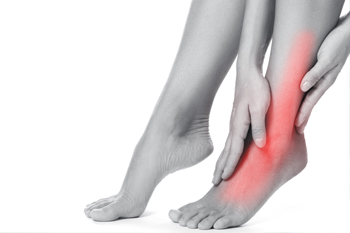
Foot pain, a discomfort affecting individuals across various walks of life, can trace its roots to a multitude of causes. One common culprit is improper footwear, where shoes lacking proper support or fit can lead to a range of issues. Among them are corns and calluses as well as more severe conditions like plantar fasciitis. Strain and overuse, often associated with prolonged standing or engaging in high-impact activities, can contribute to fatigue and discomfort. Structural anomalies, including flat feet or high arches, may alter foot mechanics and induce pain. Injuries such as sprains, fractures, or ligament tears also play a role, necessitating attention and care. Additionally, arthritis and inflammatory conditions, along with systemic health issues like diabetes, may manifest in foot pain. If you are experiencing any type of foot pain, it is suggested that you visit a podiatrist who can pinpoint the cause and offer appropriate treatment options.
Foot Pain
Foot pain can be extremely painful and debilitating. If you have a foot pain, consult with Dr. Eddy Caldwell from Foot Care of Northeast Arkansas, P.A.. Our doctor will assess your condition and provide you with quality foot and ankle treatment.
Causes
Foot pain is a very broad condition that could be caused by one or more ailments. The most common include:
- Bunions
- Hammertoes
- Plantar Fasciitis
- Bone Spurs
- Corns
- Tarsal Tunnel Syndrome
- Ingrown Toenails
- Arthritis (such as Gout, Rheumatoid, and Osteoarthritis)
- Flat Feet
- Injury (from stress fractures, broken toe, foot, ankle, Achilles tendon ruptures, and sprains)
- And more
Diagnosis
To figure out the cause of foot pain, podiatrists utilize several different methods. This can range from simple visual inspections and sensation tests to X-rays and MRI scans. Prior medical history, family medical history, and any recent physical traumatic events will all be taken into consideration for a proper diagnosis.
Treatment
Treatment depends upon the cause of the foot pain. Whether it is resting, staying off the foot, or having surgery; podiatrists have a number of treatment options available for foot pain.
If you have any questions, please feel free to contact our office located in Jonesboro, AR . We offer the newest diagnostic and treatment technologies for all your foot care needs.
Tuesday, 19 December 2023 00:00
Managing Diabetic Neuropathy
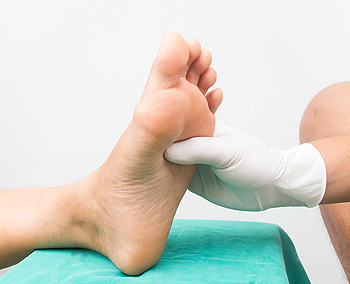
Diabetic neuropathy, a consequence of prolonged elevated blood sugar levels in individuals with diabetes, affects up to 50 percent of those with the condition. Symptoms of diabetic neuropathy range from pain, tingling, and numbness in the extremities to potential onset without noticeable signs. Peripheral diabetic neuropathy is prevalent, causing discomfort in the toes, feet, and hands. Early diagnosis is essential, and a thorough examination by a podiatrist is suggested. This process can include a foot check for sores and ulcers, along with tests such as the monofilament test, nerve conduction tests, and electromyography. Effective management of diabetic neuropathy involves strict control of blood sugar levels through regular monitoring, adherence to an antidiabetic diet, physical activity, and routine blood pressure checks. Medications can also play a vital role in relieving symptoms. If you have diabetes, it is suggested that you are under the care of a podiatrist can help you to manage this condition.
Diabetic foot care is important in preventing foot ailments such as ulcers. If you are suffering from diabetes or have any other concerns about your feet, contact Dr. Eddy Caldwell from Foot Care of Northeast Arkansas, P.A.. Our doctor can provide the care you need to keep you pain-free and on your feet.
Diabetic Foot Care
Diabetes affects millions of people every year. The condition can damage blood vessels in many parts of the body, especially the feet. Because of this, taking care of your feet is essential if you have diabetes, and having a podiatrist help monitor your foot health is highly recommended.
The Importance of Caring for Your Feet
- Routinely inspect your feet for bruises or sores.
- Wear socks that fit your feet comfortably.
- Wear comfortable shoes that provide adequate support.
Patients with diabetes should have their doctor monitor their blood levels, as blood sugar levels play such a huge role in diabetic care. Monitoring these levels on a regular basis is highly advised.
It is always best to inform your healthcare professional of any concerns you may have regarding your feet, especially for diabetic patients. Early treatment and routine foot examinations are keys to maintaining proper health, especially because severe complications can arise if proper treatment is not applied.
If you have any questions please feel free to contact our office located in Jonesboro, AR . We offer the newest diagnostic and treatment technologies for all your foot and ankle needs.
Wednesday, 13 December 2023 00:00
Do Your Child's Feet Hurt?

Have your child's feet been examined lately? Healthy feet are happy feet. If your child is complaining of foot pain, it may be a sign of underlying problems.
Tuesday, 12 December 2023 00:00
The Importance of Stretching for Foot Health
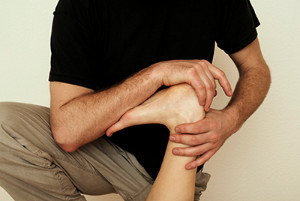
Stretching is a vital practice for maintaining the health and flexibility of your feet and overall body. Regular stretching helps keep muscles flexible and strong, which is essential for preserving joint mobility. When muscles become tight and inflexible, it can lead to reduced range of motion, making daily activities challenging and increasing the risk of joint pain, strains, and muscle damage. For instance, sitting for prolonged periods can result in tight hamstrings, hindering leg extension and walking. When suddenly stretched during activities like sports, tight muscles may become injured, compromising joint support, and potentially causing joint injuries. Regular stretching also aids in balance, reducing the risk of falls, especially for individuals with balance issues. If you would like to learn specific exercises to do in your daily routine, it is suggested that you schedule an appointment with a podiatrist who can provide expert advice and take care of any feet or ankle issues that arise.
Stretching the feet is a great way to prevent injuries. If you have any concerns with your feet consult with Dr. Eddy Caldwell from Foot Care of Northeast Arkansas, P.A.. Our doctor will assess your condition and provide you with quality foot and ankle treatment.
Stretching the Feet
Being the backbone of the body, the feet carry your entire weight and can easily become overexerted, causing cramps and pain. As with any body part, stretching your feet can serve many benefits. From increasing flexibility to even providing some pain relief, be sure to give your feet a stretch from time to time. This is especially important for athletes or anyone performing aerobic exercises, but anyone experiencing foot pain or is on their feet constantly should also engage in this practice.
Great ways to stretch your feet:
- Crossing one leg over the others and carefully pull your toes back. Do 10-20 repetitions and repeat the process for each foot
- Face a wall with your arms out and hands flat against the wall. Step back with one foot and keep it flat on the floor while moving the other leg forward. Lean towards the wall until you feel a stretch. Hold for 30 seconds and perform 10 repetitions for each foot
- Be sure not to overextend or push your limbs too hard or you could risk pulling or straining your muscle
Individuals who tend to their feet by regular stretching every day should be able to minimize foot pain and prevent new problems from arising.
If you have any questions, please feel free to contact our office located in Jonesboro, AR . We offer the newest diagnostic and treatment technologies for all your foot care needs.
Tuesday, 05 December 2023 00:00
The Important Role of Foot Protection at Work
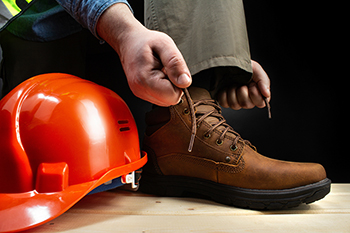
In the realm of occupational safety, the significance of foot protection while working cannot be overstated. Whether navigating construction sites, industrial settings, or healthcare environments, the feet are vulnerable to various hazards. Sturdy, well-designed work boots serve as the first line of defense against potential injuries. These boots are crafted to shield the feet from falling objects, electrical hazards, sharp objects, and chemical spills. In professions where standing for prolonged periods is common, the right footwear provides essential support, preventing fatigue and discomfort. Beyond physical protection, appropriate footwear promotes overall foot health by reducing the risk of conditions like plantar fasciitis and stress fractures. Recognizing the role of foot protection in the workplace emphasizes the need for employers and employees alike to prioritize the selection and maintenance of proper footwear. If you would like more information about specific foot protection during the workday, it is suggested that you speak to a podiatrist.
While working on the feet, it is important to take the proper care of them. For more information about working on your feet, contact Dr. Eddy Caldwell from Foot Care of Northeast Arkansas, P.A.. Our doctor will treat your foot and ankle needs.
Working on Your Feet
Standing on your feet for long periods of time can cause stress and pain in your feet. Your whole body may experience change in terms of posture, back pain, bunions, callouses and or plantar warts. There are ways to avoid these conditions with proper foot care, smart choices and correct posture.
Positive Changes
Negative heeled shoe – Choosing this shoe type places the heel slightly lower than the ball of the foot. These are great for overall foot health. Find shoes that fit you correctly.
Go barefoot – Our feet were not designed to be enclosed for all hours of the day. Try to periodically expose your feet to air.
Eliminate Pain
Foot Exercises – Performing simple exercises, incorporating yoga and doing stretches are beneficial. This will allow increased blood flow to the area and muscles of the foot.
Achilles tendon – Stretching the foot out flat on the floor will relax the calf muscles and tendon. These exercises can be performed almost anywhere. Make sure you add these exercises to your daily regimen.
With a little bit of this information and knowing more about foot health, you will notice changes. Foot stretches and proper footwear will help with pain and prevent further issues.
If you have any questions please feel free to contact our office located in Jonesboro, AR . We offer the newest diagnostic and treatment technologies for all your foot and ankle needs.